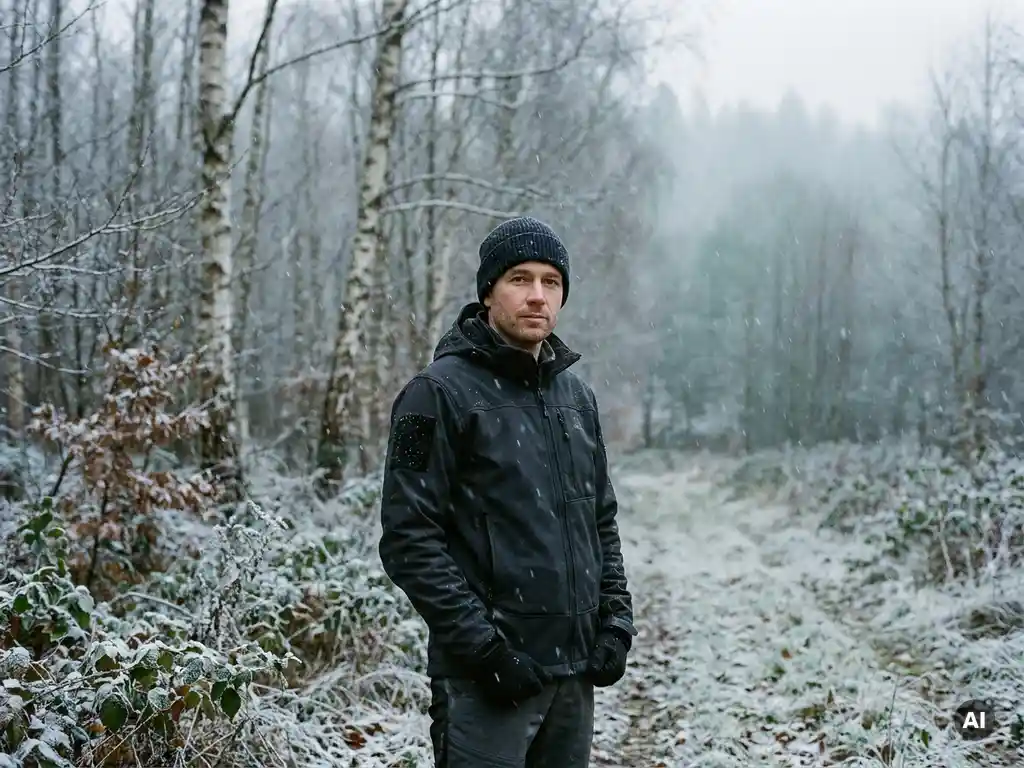
For most people, a softshell jacket is not warm enough as your only jacket in winter. Softshell jackets offer wind-resistant and lightly water-repellent protection, but they lack the insulating layer you need in real winter temperatures. They are best suited to mild autumn and winter days, or as a middle layer under a warmer outer jacket.
Whether a softshell jacket is enough depends heavily on the temperature, your activity level, and how well you combine the jacket with other layers of clothing. In this article, we answer the most common questions about softshell jackets in winter, so you can make an informed choice.
What are the warmth properties of a softshell jacket?
A softshell jacket offers wind-resistant protection and some heat retention, but it has no thick insulating layer. The material is flexible, light, and breathable, which makes it comfortable to wear during active use. The warmth you feel is largely the result of the wind blocking combined with your own body temperature.
The inside of a softshell jacket often has a lightly lined or fleece-like surface that adds some insulation. That makes the jacket more comfortable in cold temperatures, but it is not comparable to the insulation of a quilted puffer jacket or a heavy wool coat. Softshell is functional, but it has its limitations in freezing weather.
The breathable properties are an advantage during sporty activities: moisture is wicked away and you don’t overheat easily. But those same properties also mean that heat is retained less effectively when you are sitting still or when temperatures are below freezing.
Down to what temperature is a softshell jacket suitable?
In most cases, a softshell jacket is suitable for temperatures between 5 and 15 degrees Celsius. If you combine the jacket with a sweater or fleece underneath, you can also wear it at temperatures just around freezing, as long as you keep moving. Below zero degrees, a softshell jacket quickly becomes insufficient as an outer layer.
On mild winter days, with light precipitation and active movement, a softshell jacket performs well. But as soon as the temperature drops and you stand or sit outside for longer periods, you quickly notice that the warmth falls short. Think of walking around the city, waiting at the train station, or sitting on a café terrace in November.
What is the difference between a softshell jacket and a winter jacket?
The biggest difference is insulation. A winter jacket is designed to actively retain heat through a filling or thick fabric, while a softshell jacket primarily blocks wind and light rain without a substantial insulating layer. For real winter cold, you need a jacket that does more than just block the wind.
In our range of winter jackets, you can clearly see this difference. A quilted puffer jacket has a substantial filling that retains heat. A wool coat or wool overcoat insulates through the density of the fabric itself. A leather jacket offers a very different warmth profile than a lightweight softshell thanks to its solid material.
When is a softshell jacket warm enough for winter?
A softshell jacket is warm enough for winter if you combine it with the right base layers, the temperature doesn’t drop too far below zero, and you move actively. In urban environments with mild winters, or if you regularly go from outdoors to indoors, a softshell jacket can work perfectly well as an outer layer.
These are concrete situations in which a softshell jacket can be enough for you:
- Daily commutes at temperatures above five degrees
- Walking or cycling, where your body generates its own heat
- Autumn days with wind but without freezing temperatures
- As a mid-layer jacket under a heavier leather jacket or overcoat
If you feel the cold easily or live in a region with harsh winters, a softshell jacket as your only jacket is rarely enough. In that case, you’re better off looking at jackets with real insulation.
How do you combine a softshell jacket for extra warmth?
You can significantly increase the warmth of a softshell jacket by layering smartly. Wear a warmer mid-layer under your softshell, such as a thick sweater, a fleece, or a body warmer. That combination retains heat and makes the softshell suitable for colder conditions than when you wear it on its own.
Handy combinations for more warmth:
- Base layer: a thermal shirt or long-sleeve top that wicks away moisture
- Middle layer: a thick sweater, fleece, or a body warmer for extra insulation
- Outer layer: the softshell jacket as wind and rain protection
A body warmer as a mid-layer is an excellent option: it insulates the upper body well without restricting your freedom of movement. A wool sweater also works well as a middle layer, because wool naturally retains heat, even when it gets slightly damp.
What should you look out for when buying a warm softshell jacket?
When buying a softshell jacket, pay attention to the inside of the material. A lined interior or a fleece inner layer adds noticeable warmth compared to a thin, unlined version. Also look at the fit: a good fit around the cuffs, collar, and hem prevents warm air from escaping and cold air from getting in.
A few more points to consider when buying:
- Lining: lined or fleece-lined is considerably warmer than unlined
- Windproofing: the tighter the weave, the less wind gets through
- Water repellency: a DWR coating keeps light rain out, but is no substitute for a waterproof jacket
- Fit: a slim fit leaves little room for thick mid-layers; choose a regular or relaxed fit if you want to layer
If you’re looking for something that offers more warmth than an average softshell, it’s worth looking at jackets with a sturdier material or insulation. In our range, you’ll find alternatives that by definition provide more warmth in real winter temperatures.
How does Donders 1860 help you choose the right winter jacket?
We’re happy to help you find the winter jacket that suits your use, your preferences, and the temperatures in your region. Our range consists exclusively of jackets that we have carefully selected for quality, fit, and suitability for the Dutch climate.
This is what we offer for autumn and winter:
- Wool coats and overcoats: heavy, insulating, and timelessly suited to cold days
- Puffer jackets: quilted jackets that retain heat well at low temperatures
- Leather jackets and biker jackets: solid leather that effectively blocks wind and cold
- Bomber jackets: versatile jackets that look sporty and are practical as a mid-layer jacket or outer layer
- Body warmers: ideal as an extra insulating layer under or over other jackets
- Suede jackets: a soft look with a sturdy fabric, suitable for cooler days; see our selection in suede look
When choosing, it helps to determine at what temperature you will mainly wear the jacket, whether you want to wear it as your only layer or combine it, and how active you are outdoors. That way, you avoid buying a jacket that is too light for real winter days.
Feel free to take a look at our full range of autumn and winter jackets and discover the jacket that suits your winter. Donders 1860 stands for more than 165 years of craftsmanship and Premium Jackets, Dutch Designed.